
AHPA RESPONDS: You cannot fix allied health in aged care by cutting disability funding
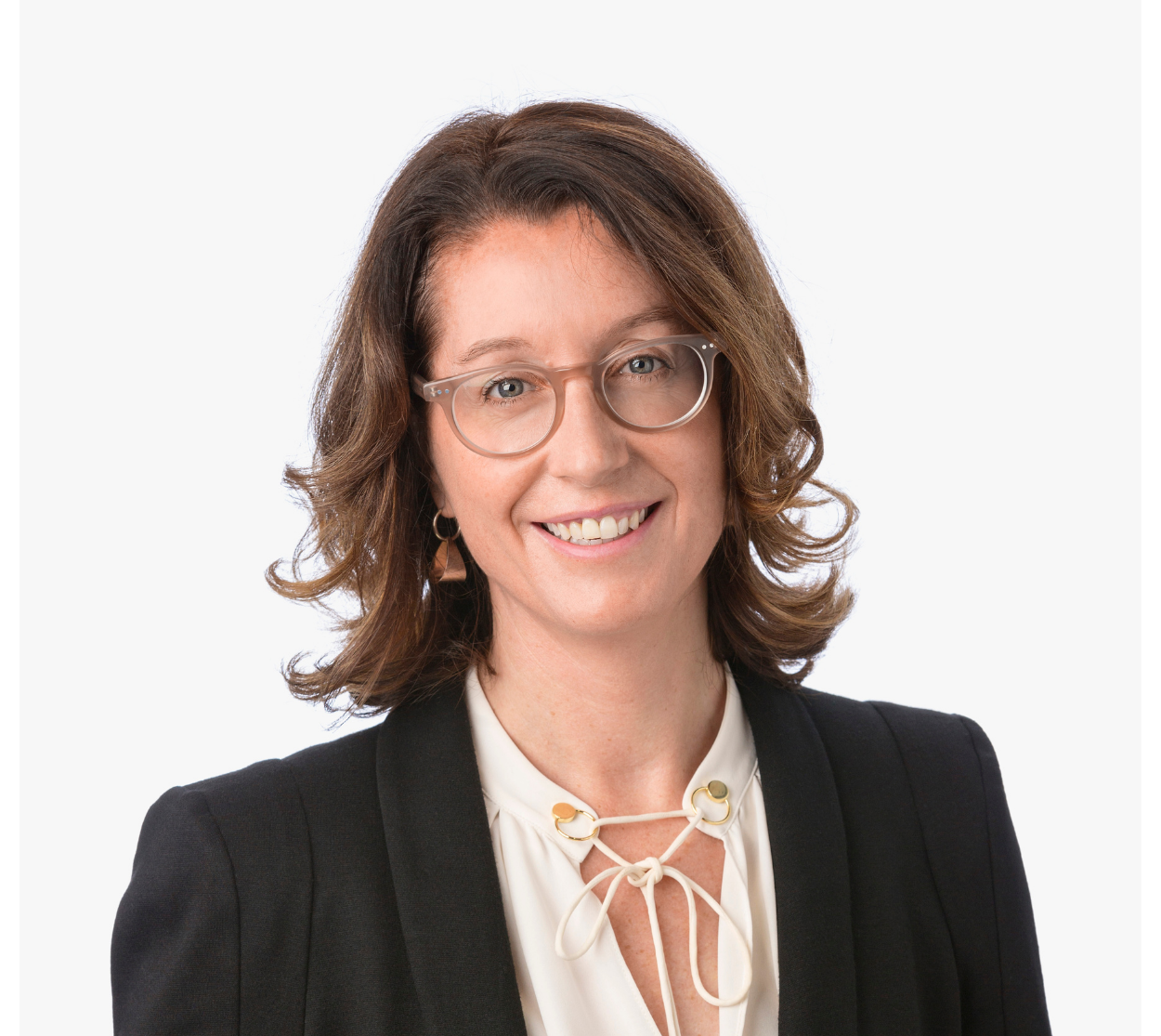
AHPA CEO & Company Secretary Bronwyn Morris-Donovan responds to Health Minister Mark Butler's claims that the NDIS overhaul will redistribute Australia's allied health workforce.
You cannot fix allied health in aged care by cutting disability funding
When the government announced the largest cut to disability support in Australian history, we expected it to come with a plan. What allied health professionals received instead was a prediction: that things would, more or less, redistribute themselves.
Allied Health Professions Australia (AHPA) acknowledges that the NDIS has significant structural problems and that reform is necessary. But we are deeply concerned that Minister Butler’s comments this week misrepresent how the allied health workforce actually functions and that his proposed solution will cause significant hardship without fixing the underlying problem.
Minister Butler suggested a ‘consequence’ of Labor’s NDIS overhaul will be a redistribution of the allied health workforce toward aged care, hospitals and veterans’ services. AHPA challenges that assertion directly. It is not supported by evidence – and the evidence base to support it simply does not exist.
We cannot redistribute what we cannot see
Australia’s allied health workforce comprises more than 300,000 professionals, making it the second largest clinical workforce in the country. With the first-ever national allied health workforce strategy still in draft form, and no national workforce data collection beyond hospital settings, neither AHPA nor the Department has clear line of sight on where those professionals are working, in what numbers or in response to what demand.
To claim that changes to the NDIS will redirect this workforce toward aged care and veterans’ is not a policy position – it’s an assumption dressed up as one. Before any government announces a workforce redistribution, it should be able to demonstrate where the workforce currently sits, where unmet demand exists and what mechanisms will drive the shift.
The intimation that allied health professionals have capitalised on a flawed system – that they have followed NDIS money out of self-interest – is unfair. An estimated 85% of the allied health professionals work in small to medium-sized private practices, operating as small businesses with the genuine risks and overheads that entails. Most of these businesses are underpinned by a complex mix of third-party payers: Medicare, DVA, private health funds, state-based compensation schemes and the NDIS. These practitioners did not abandon other sectors. They built sustainable practices in the only parts of the system that adequately fund the work.
Improving access to occupational therapists, physiotherapists, speech pathologists and psychologists in hospitals or residential aged care will not be resolved by cutting NDIS funding. These are separate funding systems with their own structural problems.
The aged care crisis is real – and entirely separate
AHPA strongly supports improved allied health access in residential aged care. Current evidence indicates access is limited by funding, not by workforce availability.
StewartBrown data reports that allied health care minutes have declined from 8 minutes per resident per day in 2022 to 4 minutes in 2025, with physiotherapy down to 2.75 minutes. The reports suggest the decline in allied health minutes is likely a cost-saving measure by residential aged care providers, who are navigating financial pressures.
The Minister’s argument also assumes a surplus of allied health workforce ready to be redirected. That assumption is wrong. More than half the professions are in critical shortage. Redistribution of a workforce already in shortage does not resolve unmet demand in aged and veterans’ services, it simply moves the gap.
A call for evidence, and for partnership
AHPA is ready to contribute to the evidence-based workforce planning that’s needed. Minister Butler is right that allied health must reach more Australians. Allied health professionals are not the obstacle, flawed funding models are. Fix them, and the ‘gravitational pull’ takes care of itself.